


Can three-proof thermal label paper truly be used reliably in harsh environments?
Release Time : 2025-12-22
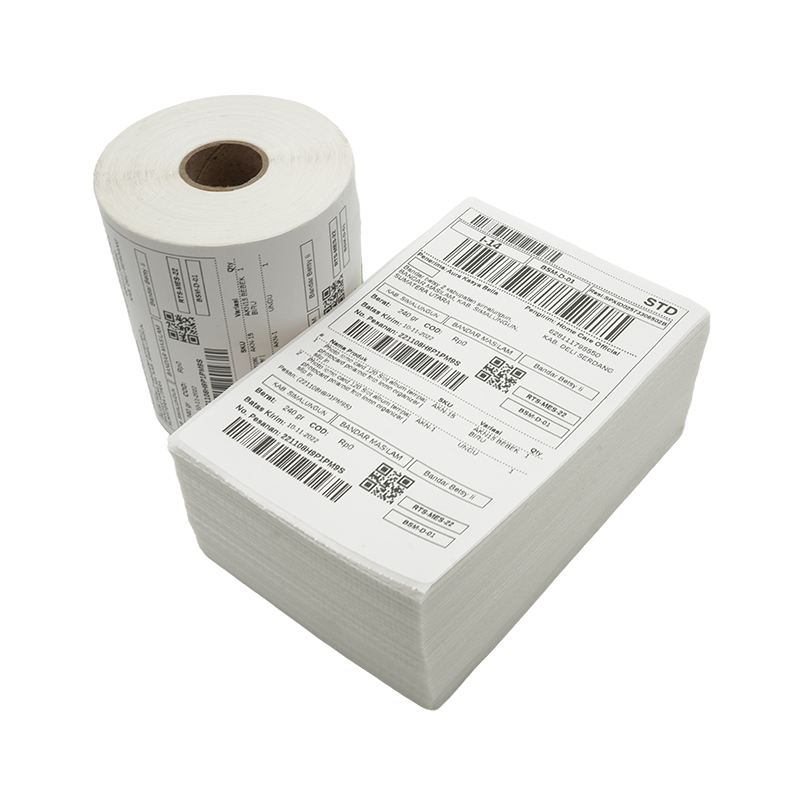
In modern logistics, industrial manufacturing, cold chain transportation, and medical management—fields heavily reliant on information traceability—labels are no longer simple identification carriers, but rather data nerve endings throughout the entire supply chain. Three-proof thermal label paper—thermal printing labels with waterproof, oil-proof, and scratch-resistant properties—is widely used in express delivery waybills, warehouse labels, pharmaceutical labels, and fresh produce price tags due to its advantages such as no ribbon required, instant printing, and cost-effectiveness. However, when these labels are exposed to humid cold storage, greasy workshops, frequently friction-prone logistics sorting lines, or high-temperature, high-humidity tropical environments, whether their "three-proof" performance can truly withstand the test directly affects the readability of information and the continuity of business.
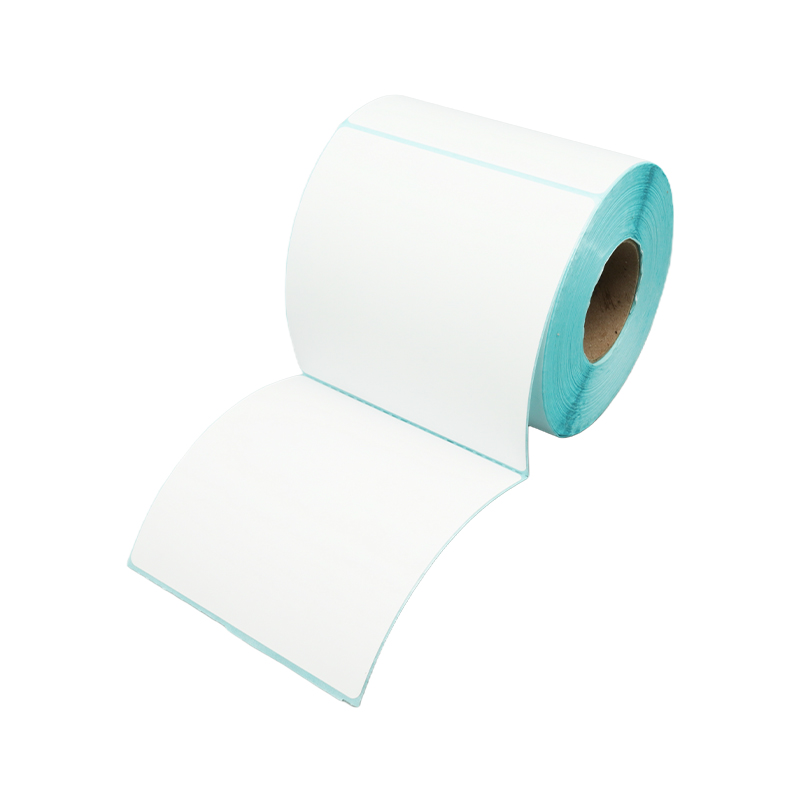
The core of three-proof thermal label paper lies in its multi-layered composite structure and special coating technology. The substrate is typically made of high-density, high-smoothness thermal paper, with a transparent protective film or functional coating covering the surface. This "invisible armor" not only effectively blocks moisture penetration, preventing the text from blurring and smudging due to dampness, but also resists the corrosive effects of common chemicals such as grease, alcohol, and weak acids and alkalis, preventing the printed content from dissolving or fading. Simultaneously, the coating undergoes a hardening treatment, significantly increasing surface hardness and enabling the label to resist scratches from fingernails, tools, or conveyor belts during handling, stacking, or scanning, maintaining the clarity and integrity of the barcode and text. This multi-layered protection is not simply an additive layer, but rather a synergistic effect achieved through precise control of molecular-level material ratios and coating processes.
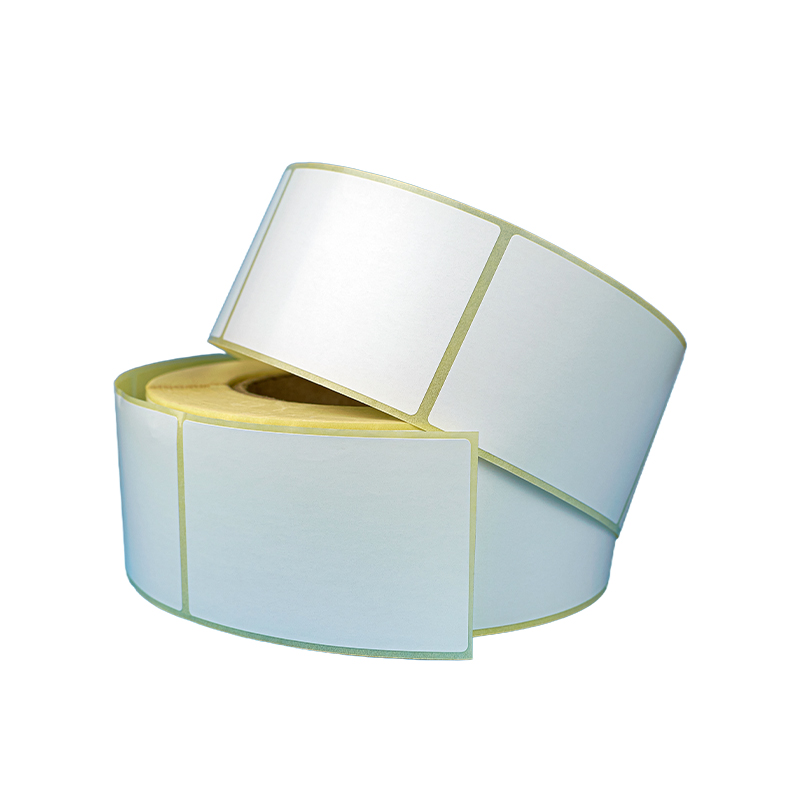
The stability of thermal imaging is equally crucial. High-quality tri-proof labels utilize a high-sensitivity, high-durability thermal color development system, producing deep black, sharp images under standard printing conditions, and are not prone to fading naturally due to light, high temperatures, or air oxidation during long-term storage. Even in sub-zero temperatures, the color development layer remains chemically inert, ensuring full traceability of cold chain goods from production to the end consumer. In the high-temperature, high-humidity summer warehouses, the labels will not curl or detach due to moisture absorption and expansion, maintaining good adhesion and machine readability. The choice of adhesive backing also reflects a high level of expertise. For different surfaces—such as corrugated boxes, plastic crates, metal shelves, or glass bottles—three-proof labels are equipped with adhesives offering appropriate initial tack and holding power. Some emphasize rapid adhesion, suitable for high-speed automated labeling; others possess low-temperature resistance, specifically designed for frozen foods; still others use removable adhesive for temporary labeling without leaving residue. This meticulous "one adhesive, one use" matching ensures that labels adhere firmly to various substrates, without peeling or falling off.
From a lifecycle perspective, the value of three-proof thermal label paper lies not only in its clear printing and strong adhesion, but also in its implicit improvement to operational efficiency. Clear and durable barcodes reduce manual verification and scanning failure rates, lowering the risk of misdelivery or omissions; stable performance reduces returns, recalls, or compliance penalties due to label failure; and the ribbon-free printing method simplifies equipment maintenance, reducing consumable costs and waste generation. In today's pursuit of lean management, a small label is, in fact, a microcosm of system reliability.
Ultimately, the reliable use of three-proof thermal label paper in harsh environments is not solely due to the promise of "three protections" (proof, waterproof, and shockproof), but rather the result of a deep integration of materials science, coating processes, and application scenarios. In the reality of moisture, oil, and friction, it silently and resiliently safeguards the integrity of every data entry—ensuring information remains clear and accurate throughout the most complex flow paths. This reliability within its small dimensions is an indispensable cornerstone of modern, efficient supply chains.
The core of three-proof thermal label paper lies in its multi-layered composite structure and special coating technology. The substrate is typically made of high-density, high-smoothness thermal paper, with a transparent protective film or functional coating covering the surface. This "invisible armor" not only effectively blocks moisture penetration, preventing the text from blurring and smudging due to dampness, but also resists the corrosive effects of common chemicals such as grease, alcohol, and weak acids and alkalis, preventing the printed content from dissolving or fading. Simultaneously, the coating undergoes a hardening treatment, significantly increasing surface hardness and enabling the label to resist scratches from fingernails, tools, or conveyor belts during handling, stacking, or scanning, maintaining the clarity and integrity of the barcode and text. This multi-layered protection is not simply an additive layer, but rather a synergistic effect achieved through precise control of molecular-level material ratios and coating processes.
The stability of thermal imaging is equally crucial. High-quality tri-proof labels utilize a high-sensitivity, high-durability thermal color development system, producing deep black, sharp images under standard printing conditions, and are not prone to fading naturally due to light, high temperatures, or air oxidation during long-term storage. Even in sub-zero temperatures, the color development layer remains chemically inert, ensuring full traceability of cold chain goods from production to the end consumer. In the high-temperature, high-humidity summer warehouses, the labels will not curl or detach due to moisture absorption and expansion, maintaining good adhesion and machine readability. The choice of adhesive backing also reflects a high level of expertise. For different surfaces—such as corrugated boxes, plastic crates, metal shelves, or glass bottles—three-proof labels are equipped with adhesives offering appropriate initial tack and holding power. Some emphasize rapid adhesion, suitable for high-speed automated labeling; others possess low-temperature resistance, specifically designed for frozen foods; still others use removable adhesive for temporary labeling without leaving residue. This meticulous "one adhesive, one use" matching ensures that labels adhere firmly to various substrates, without peeling or falling off.
From a lifecycle perspective, the value of three-proof thermal label paper lies not only in its clear printing and strong adhesion, but also in its implicit improvement to operational efficiency. Clear and durable barcodes reduce manual verification and scanning failure rates, lowering the risk of misdelivery or omissions; stable performance reduces returns, recalls, or compliance penalties due to label failure; and the ribbon-free printing method simplifies equipment maintenance, reducing consumable costs and waste generation. In today's pursuit of lean management, a small label is, in fact, a microcosm of system reliability.
Ultimately, the reliable use of three-proof thermal label paper in harsh environments is not solely due to the promise of "three protections" (proof, waterproof, and shockproof), but rather the result of a deep integration of materials science, coating processes, and application scenarios. In the reality of moisture, oil, and friction, it silently and resiliently safeguards the integrity of every data entry—ensuring information remains clear and accurate throughout the most complex flow paths. This reliability within its small dimensions is an indispensable cornerstone of modern, efficient supply chains.