


How to prevent irreversible degradation of the thermal coating of three-proof thermal label paper during long-term storage?
Release Time : 2026-04-13
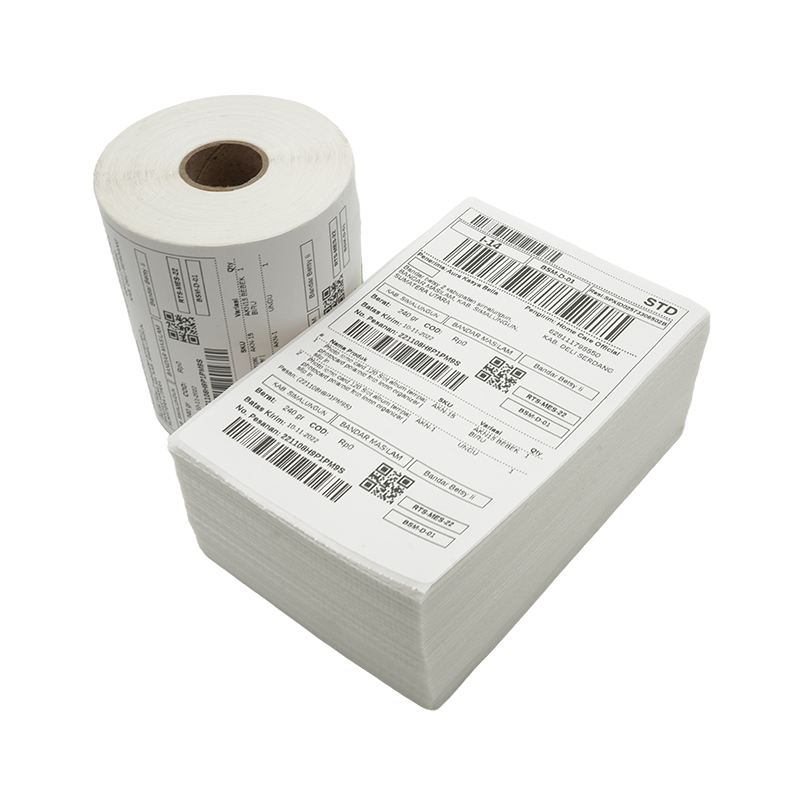
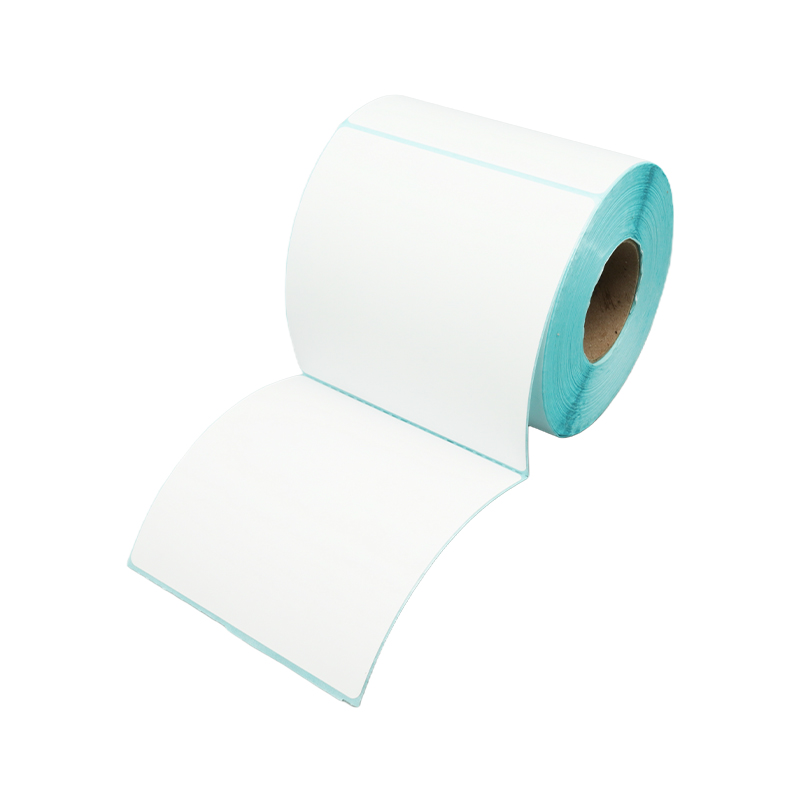
Three-proof thermal label paper, with its special waterproof, oil-proof, and friction-resistant coating, is widely used in logistics, medical, and industrial fields. However, its long-term storage still faces the challenge of thermal coating performance degradation. The color development reaction of the thermal coating is reversible, and its chemical stability is easily affected by environmental factors. Improper storage can lead to fading of lettering, coating peeling, or functional failure. To avoid irreversible performance degradation, a comprehensive approach is needed, encompassing seven dimensions: environmental control, packaging protection, physical isolation, chemical avoidance, temperature and humidity management, stacking methods, and regular inspections.
Environmental control is fundamental to delaying coating aging. Three-proof thermal label paper should be stored in a cool, dark indoor environment, avoiding direct sunlight or prolonged exposure to ultraviolet (UV) radiation. UV radiation accelerates the decomposition of color developers and colorless dyes in the coating, causing lettering fading; while high temperatures promote the oxidation reaction of chemical substances, damaging the coating structure. Therefore, storage areas should be equipped with blackout curtains or UV-protected lamp covers and kept away from heat sources such as radiators and heating equipment to ensure the ambient temperature remains stable within the normal range.
Packaging protection is crucial for preventing external contamination. Unused three-proof thermal label paper should be sealed in moisture-proof paper, aluminum foil bags, or plastic film to prevent moisture and dust from entering. For printed labels, it is recommended to stack them in layers and use dividers to prevent glue penetration and adhesion, while also reducing direct friction between the coating and packaging materials. Packaging materials should be chemically stable and non-corrosive to prevent reactions with the coating.
Physical isolation reduces the risk of mechanical damage. Rolls of label paper should be stored upright to avoid deformation of the roll core or pressure on the coating due to flat laying; sheet labels should be laid flat, with a single stack height not exceeding a certain limit, and the bottom elevated off the ground to prevent moisture penetration. Handle with care during transportation to avoid violent shaking or drops, preventing cracks or peeling of the coating due to external impact.
Chemical avoidance is key to protecting coating stability. Storage areas should be kept away from chemical solvents, cleaning agents, strong acids, strong alkalis, and other corrosive substances to prevent volatile gases from entering through packaging gaps and damaging the color developers or protective layers in the coating. Meanwhile, avoid prolonged contact with plastic products containing plasticizers, as some plasticizers may migrate to the coating surface, leading to abnormal color development or coating softening.
Temperature and humidity management is key to inhibiting chemical decomposition. The ideal storage environment for three-proof thermal label paper is moderate relative humidity and suitable temperature. High humidity will promote the hydrolysis of color developers in the coating, accelerating lettering fading; while low humidity may cause the coating to become brittle, reducing abrasion resistance. Therefore, dehumidifiers or humidifiers should be used to regulate humidity, and labels should not be stored in areas with large humidity fluctuations, such as basements and bathrooms.
The stacking method directly affects the stress distribution on the coating. When storing rolls of label paper vertically, ensure the core is centered and both ends are firmly supported to prevent uneven pressure on the coating due to a shift in the center of gravity. When stacking sheets of label paper, cushioning material should be placed between each layer to reduce direct contact between the coating and hard surfaces. In addition, the stacking position should be rotated or adjusted regularly to avoid localized long-term pressure that could cause coating deformation.
Regular inspection is a necessary means to prevent hidden damage. During storage, the appearance and performance of the labels should be checked monthly, with a focus on observing whether the coating shows signs of yellowing, cracking, or blurred lettering. If damaged packaging or abnormal environmental parameters are found, the labels must be immediately transferred and resealed. For partially used labels, priority should be given to consuming products from the same batch to avoid long-term storage that could lead to differences in coating performance.